- Leana Nordstrom
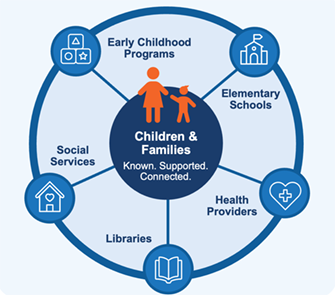
For many families, kindergarten is when the gaps among the systems supporting a young child become impossible to ignore. By then, children may already have relationships with early childhood educators, health providers, libraries, and other community organizations. When those institutions are not connected, families may have to start over, educators...
- David Jacobson
The Latest from Child Trends: “A new Child Trends report finds growing evidence for the effectiveness of a rapidly expanding approach to educational achievement. Integrated student supports (ISS) promote students’ academic success by connecting them...
- David Jacobson
How Alabama is trying to create a seamless, high-quality early education continuum that goes from PreK through third grade: https://t.co/R0eUsBbx97 #earlyed — Simon Workman (@SJWorkman) November 27, 2017
...- David Jacobson
- David Jacobson
“High-quality early-childhood programs boost graduation rates, reduce grade retention and cut down on special education placements, according to a new analysis of several other early-education research studies that adds fresh fuel to long-running policy debates...
- David Jacobson
I’m posting this from Normal, IL. Over the next couple of days I’ll be visiting two of the CPC P-3 Centers that University of Minnesota professor Arthur Reynolds discusses below in an excerpt from a...
- David Jacobson
This past summer I did a presentation at the National Academies of Medicine on how P-3 Partnerships can serve as ideal platforms for preventing and addressing Adverse Childhood Experiences (ACEs). This two-day workshop on the...